
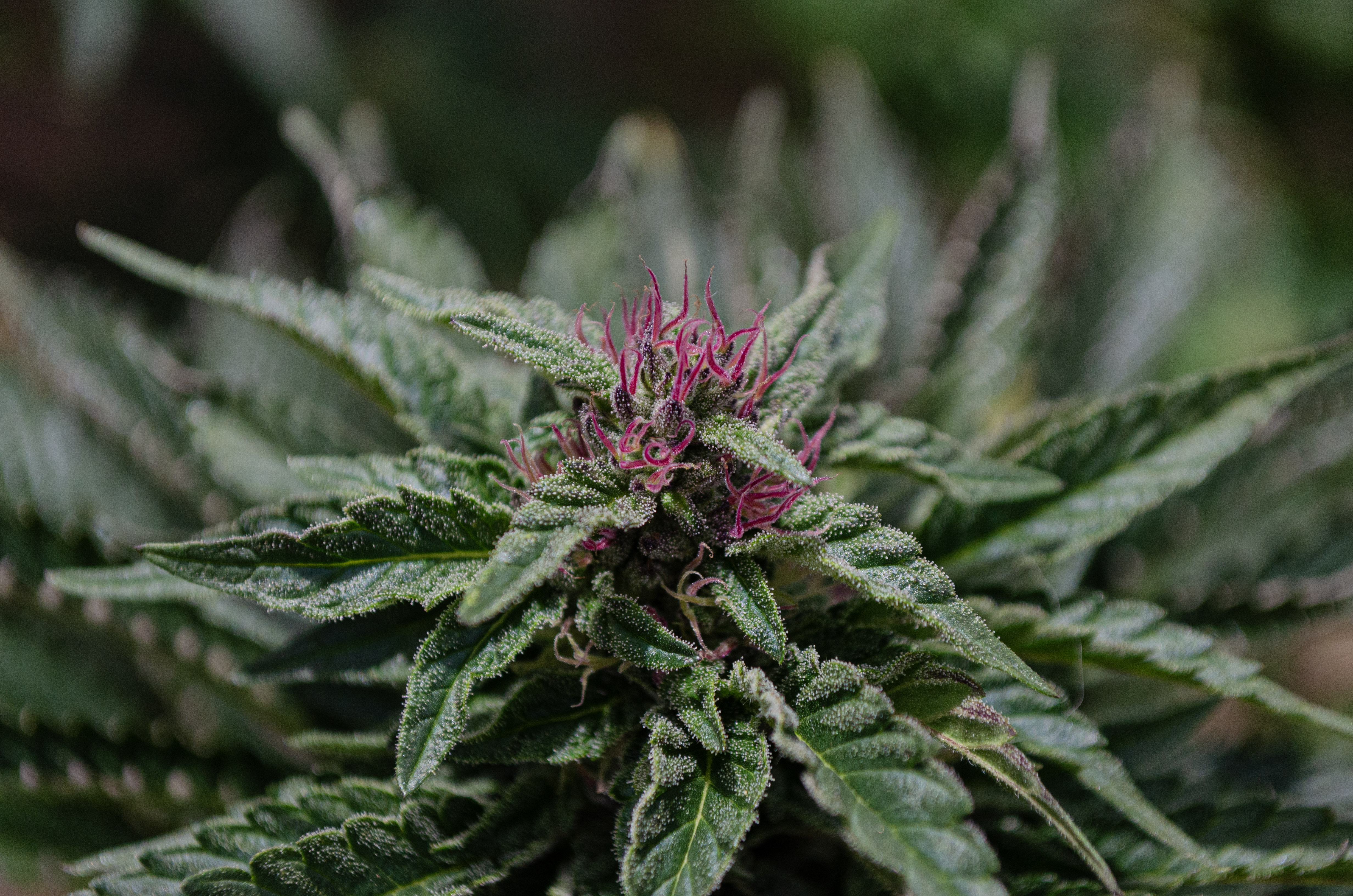

Colombia Cannabis Regulations 2026: Constitutional Rights, Dry Flower Dispensaries, and the Future of Adult-Use Legalization
Colombia's cannabis regulatory framework is undergoing its most significant changes in years. In 2026, two developments are reshaping the landscape: new rules to allow dry flower medical dispensaries and a renewed legislative push to legalize adult-use cannabis. For international operators, investors, and companies evaluating foreign investment in Colombia, understanding both the regulatory updates and the constitutional foundations underlying cannabis policy is essential to making informed strategic decisions.
The Colombian cannabis space has attracted international attention for nearly ten years and continues to be closely watched. Those with prior experience in the cordilleras of the country have raised questions about how these developments affect Colombians' right to cultivate up to 20 cannabis plants at home, the constitutional protections surrounding personal cannabis use, and the medical cannabis industry overall. This article breaks down exactly what is happening and what it may mean for businesses and investors evaluating opportunities in Colombia.
Colombia Cannabis Decriminalization: A Brief History
The Colombian legal system has spent over 40 years attempting to balance the fight against illicit narcotics production with the protection of citizens' fundamental constitutional rights. Needless to say, it has been a titanic battle with interesting results, particularly when it comes to cannabis.
The story begins with Law 30 of 1986, through which the Colombian government adopted the country's National Narcotics Statute. The law recognized a threshold of up to 20 cannabis plants for personal cultivation while simultaneously sanctioning individuals carrying narcotic substances.
Then, in 1991, the Colombian Constitution entered into force, introducing a strong emphasis on the protection of fundamental rights and individual liberties. Article 13, in particular, recognizes the right to equality before the law for all citizens and has become one of the constitutional pillars underlying Colombia's evolving approach to drug policy. Together with the constitutional principle of the free development of personality, Article 13 has fueled decades of constitutional debate regarding consumer rights, personal autonomy, addiction, and the appropriate role of the State in regulating individual conduct.
Only three years later, in 1994, the Colombian Constitutional Court issued ruling C-221 of 1994, a landmark decision that decriminalized the personal dose (dosis personal). The Court determined that the State cannot penalize individuals carrying narcotics for personal consumption because doing so would violate constitutional protections related to personal autonomy and the free development of personality. This ruling remains one of the most important constitutional precedents in Colombia's drug policy framework.
By this point, Colombians could:
- Have up to 20 cannabis plants at home for personal consumption
- Carry up to 20 grams of cannabis exclusively for personal consumption purposes
Over 20 years later, Congress legalized cannabis for medical purposes in 2016, and questions surrounding homegrown cannabis, personal dosage, constitutional protections, and the emerging medical industry began to overlap.
Medical Cannabis Legalization in Colombia
After medical cannabis was legalized in 2016, Decree 613 of 2017, the former regulatory framework later replaced by Decree 811 of 2021, clearly distinguished homegrown cannabis from licensed medical cannabis activities.
Initially, the government did not allow the sale, export, or import of dry flower, as it was considered more likely to end up in the illicit market while extracts appeared to present fewer risks. The government also believed the best strategy was to encourage the production of value-added finished products rather than raw materials, and dry flower was not considered a final product at the time.
This vision created tension among licensed producers, and tensions continued to grow as other countries in the region, Ecuador, for instance, allowed the use and sale of dry flower and appeared to gain a competitive advantage.
In the following years, as regulators continued trying to understand how to maximize the potential of the medical cannabis industry, the government issued a series of decrees and resolutions that kept everyone on their toes.
Eventually, the government appeared to move toward the understanding that dry flower was a value-added final product capable of serving three critical purposes:
- Providing therapeutic solutions for patients
- Creating commercial opportunities for licensed producers
- Allowing Colombia to compete in the international medical cannabis market
Today, only a fraction of the original licensed producers remain, but those operators have found their niche, and the market is arguably at its most specialized stage yet.
Despite the challenges experienced by early operators, Colombia continues to attract interest from international businesses evaluating investment in Colombia's cannabis industry. The country offers favorable cultivation conditions, an established regulatory framework for medical cannabis, and a strategic position for companies looking to serve both domestic and international markets.
Colombia Cannabis Regulations 2026: Key Updates
This year, Colombians have closely followed two critical regulatory developments that, aside from rescheduling developments in the United States, could significantly impact the industry:
- New rules to allow for dry flower medical dispensaries
- A renewed attempt to legalize adult-use cannabis through a different legislative approach
Even though neither framework has been formally issued and we still do not know how or when these developments will ultimately take shape, questions continue to arise regarding their interaction with constitutional rights, constitutional jurisprudence, and fundamental-rights protections.
On one hand, the possibility of allowing dry flower dispensaries was contemplated in previous regulations, yet the specific requirements for anyone wishing to open such a dispensary have not been published. Licensed producers continue to wait for detailed guidance to accomplish what seems like a simple yet long-awaited objective: selling dry flower in the domestic market.
On the other hand, we have the latest adult-use legalization initiative. Historically, legalization efforts have been presented as constitutional reforms because Article 49 of the Constitution contains a complex framework involving public health, narcotics consumption, and personal dosage rights. While the article recognizes medical uses of controlled substances and constitutional protections surrounding personal consumption, it does not explicitly authorize the legalization of cannabis for adult-use purposes.
The adult-use debate is also connected to the United Nations Single Convention on Narcotic Drugs of 1961, which generally considers recreational legalization incompatible with treaty obligations while simultaneously recognizing the flexibility afforded to personal consumption and the principle of national sovereignty.
At the domestic level, however, pursuing adult-use legalization without a constitutional amendment could prove to be a risky strategy. Opposing parties could argue that any resulting law violates the Constitution and challenge it before the Constitutional Court through an unconstitutionality action. The bill has already passed one of four required debates, but the legislative process remains ongoing and the final outcome is far from certain.
For international operators considering doing business in Colombia, these developments extend beyond public policy debates. The eventual implementation of dry flower dispensaries and any future adult-use framework could significantly influence market opportunities, competitive dynamics, licensing strategies, and future foreign investment in Colombia's cannabis sector.
Colombia Cannabis Constitutional Rights vs. Regulatory Updates
Adult-use legalization and dry flower dispensaries often create confusion, particularly when people learn that Colombia already allows home cultivation and personal consumption under certain circumstances. We frequently receive questions about these distinctions, so here is a clear overview:

In a nutshell, the practical and constitutional implications of these concepts are:
- Homegrown cultivation and personal use are exclusively personal activities and cannot be used for sale, export, commercialization, or business development purposes.
- The personal dose doctrine is a constitutional development rooted in Constitutional Court jurisprudence and fundamental rights protections. It is not connected to legal or illegal cannabis markets; rather, it protects individual autonomy, equality before the law, and the free development of personality under Articles 13 and 16 of the Constitution.
- Adult-use legalization remains a legislative proposal. There is currently no certainty regarding how, when, or whether the proposal will ultimately become law, and any future framework may face constitutional review.
- Medical dry flower dispensaries relate exclusively to the sale of dried cannabis flower in the domestic market pursuant to a medical prescription. They are part of Colombia's medical cannabis framework and have no direct relationship with adult-use legalization.
Conclusion
While the headlines surrounding dry flower dispensaries and adult-use legalization may suggest a dramatic shift in Colombia's cannabis landscape, the reality is far more nuanced.
For licensed operators, the most immediate development remains the anticipated implementation of regulations governing medical dry flower dispensaries, which could finally open a domestic market that the industry has awaited since legalization began. Meanwhile, adult-use legalization continues to face both political and constitutional hurdles, making its future uncertain.
As Colombia's cannabis framework continues to evolve, companies and investors should closely monitor regulatory developments and legislative activity to understand how these changes may affect their operations, compliance obligations, and commercial opportunities. For businesses considering investing in Colombia or expanding existing cannabis operations, understanding both the regulatory framework and the constitutional foundations of cannabis policy will be critical to making informed strategic decisions.
At Rudick Law Group, we advise international investors, cannabis operators, and emerging businesses navigating Colombia's evolving regulatory landscape. If you are considering doing business in Colombia's cannabis industry, expanding existing operations, or evaluating foreign investment in Colombia, contact us to discuss how these regulatory developments may impact your business and how to position your operations for long-term success.
At Rudick Law Group, we advise international investors, cannabis operators, and emerging businesses navigating Colombia's evolving regulatory landscape. If you are considering doing business in Colombia's cannabis industry, expanding existing operations, or evaluating foreign investment in Colombia, contact us to discuss how these regulatory developments may impact your business and how to position your operations for long-term success.

.webp)
